

In the world of marketing and branding, consistency is key. Your brand is much more than just a logo and a tagline; it’s the essence of your business and the impression it leaves on your audience. To ensure that this impression remains cohesive and powerful, defining brand guidelines is essential. In this blog post, we’ll delve into the significance of brand guidelines and why they matter for your business.
What are brand guidelines?
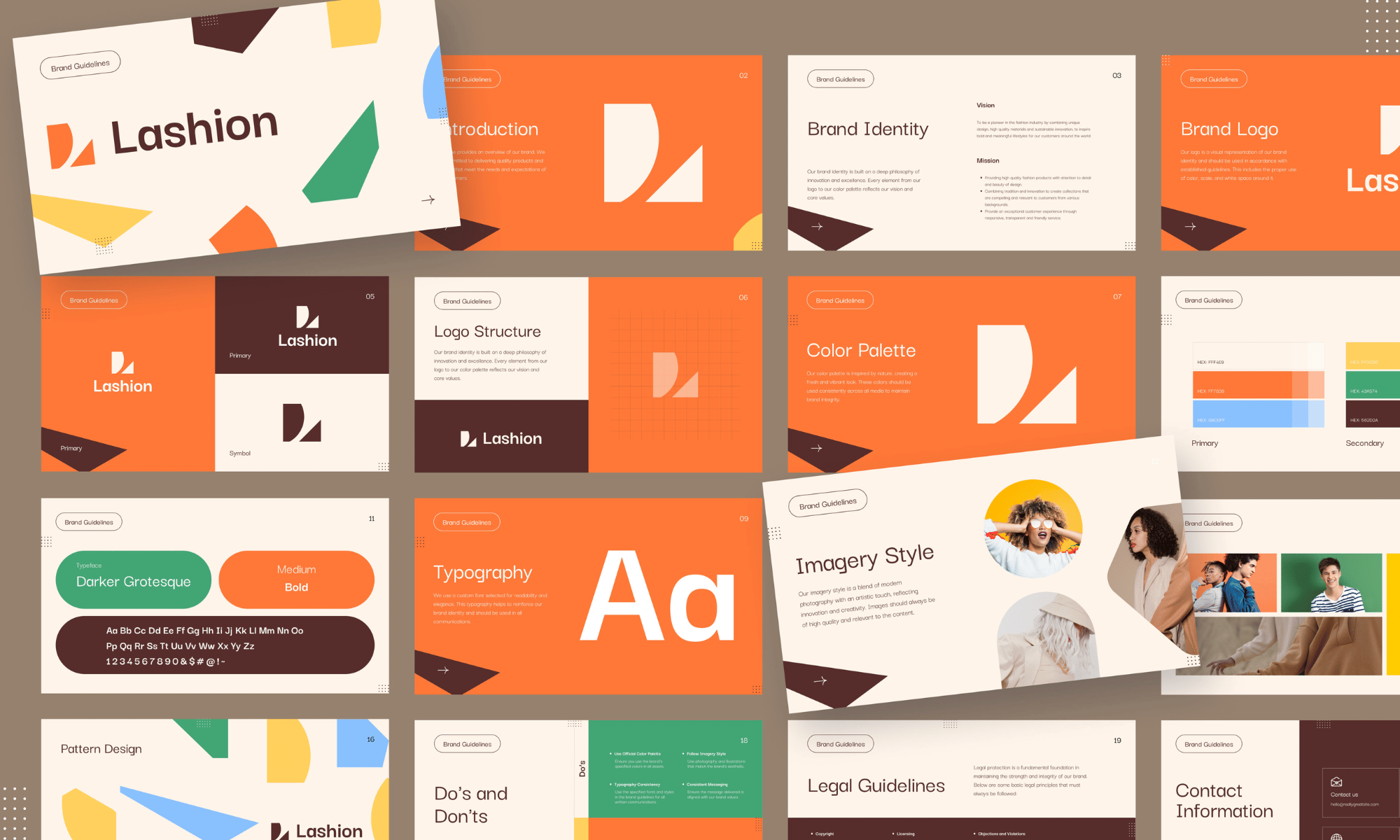
Brand guidelines, often referred to as a brand style guide or brand manual, are a set of rules and standards that outline how your brand should be represented across various channels. These guidelines encompass a wide range of elements, including your logo, color palette, typography, imagery, tone of voice, and messaging. Essentially, brand guidelines provide a comprehensive framework that ensures your brand is portrayed consistently and authentically, no matter where it appears.

Why Defining Brand Guidelines Matters?
1. Consistency Across All Touchpoints
Brand guidelines serve as the North Star for your brand’s consistency. Whether it’s your website, social media profiles, advertising materials, or physical signage, having well-defined brand guidelines ensures that all your brand touchpoints maintain a consistent look, feel, and message. This consistency fosters brand recognition and trust among your audience.
The role of consistency in branding: Consistency in branding goes beyond aesthetics; it extends to the emotions and perceptions your brand evokes in your audience. When customers encounter a consistent brand experience across various platforms, it creates a sense of familiarity and reliability. For example, think about globally recognized brands like Coca-Cola or Apple. Regardless of where you encounter them, their branding remains consistent, instilling a sense of trust and dependability.
Building a strong brand identity: A strong brand identity is built on consistency. When your brand consistently delivers on its promises and maintains a uniform visual and verbal presence, it reinforces its identity in the minds of consumers. This, in turn, leads to increased brand loyalty and customer retention. People are more likely to engage with a brand they recognize and trust, which is why consistency is a fundamental aspect of successful branding.
2. Clear Brand Identity
Brand guidelines help define your brand’s unique identity, including its values, mission, and voice. This clarity enables both your internal team and external partners to align with your brand’s core principles and effectively communicate them to your target audience.
Crafting your brand’s story: A clear brand identity goes beyond logos and color schemes; it tells a story. Your brand story is the narrative that encapsulates your values, mission, and purpose. It’s what sets you apart from your competitors and resonates with your audience on a deeper level. Brand guidelines serve as the blueprint for crafting this story and ensuring it is communicated consistently across all touchpoints.
Aligning internal and external stakeholders: Having a well-defined brand identity ensures that everyone involved with your brand, from employees to partners, is on the same page. Internal stakeholders, such as employees, need to understand and embody the brand’s values and mission. External partners, including agencies and vendors, must also align with your brand identity to deliver cohesive messaging and experiences. Brand guidelines act as a unifying force, enabling all parties to work together towards a common goal.

3. Establishing Trust and Credibility
A consistent brand exudes professionalism and reliability. When customers encounter consistent branding at every interaction, it builds trust and credibility. They know what to expect from your brand, which can lead to increased customer loyalty.
The psychology of trust in branding: Trust is a fundamental element of any successful brand. It’s what drives customers to choose your products or services over those of your competitors. Inconsistent branding, on the other hand, can erode trust and create confusion. When customers encounter conflicting messages or visuals, they may question the authenticity of your brand. Consistent branding reinforces trust by creating a seamless and reliable experience.
The Impact of trust on customer loyalty: Customer loyalty is the holy grail of branding, and trust is its cornerstone. Loyal customers are more likely to make repeat purchases, recommend your brand to others, and engage with your brand on social media. By establishing trust through consistent branding, you lay the foundation for long-term customer loyalty. This, in turn, leads to increased revenue and brand advocacy.
4. Differentiation in a Crowded Market
In a competitive market, standing out is crucial. Well-defined brand guidelines help you differentiate your brand from competitors. They guide the creation of unique visuals, messaging, and experiences that resonate with your audience and set you apart.
The importance of brand differentiation: Differentiation is what makes your brand memorable in a sea of sameness. It’s what captures the attention of your target audience and compels them to choose your brand over others. Brand guidelines play a pivotal role in achieving differentiation by providing a framework for creating distinctive and compelling brand assets.
Crafting unique visuals and messaging: Brand guidelines enable you to craft visuals and messaging that are uniquely yours. This includes everything from your logo and color palette to your tone of voice and storytelling approach. By adhering to these guidelines, you ensure that your brand’s personality shines through in every piece of content and communication, making it instantly recognizable and memorable.
5. Streamlined Decision-Making
Brand guidelines simplify the decision-making process. When it comes to marketing, design, or content creation, having a set of guidelines to refer to ensures that your team can make consistent and on-brand choices. This reduces the likelihood of missteps and errors.
The role of brand guidelines in decision-making: In the fast-paced world of marketing, decisions need to be made quickly and efficiently. Brand guidelines serve as a valuable reference point, providing clear parameters for making choices that align with your brand’s identity. Whether it’s selecting the right imagery for a campaign or crafting a social media post, brand guidelines streamline the decision-making process, saving time and reducing the risk of errors.
Consistency and efficiency: Consistency and efficiency go hand in hand. When your team has a clear understanding of your brand guidelines, they can work more efficiently, knowing that their choices are aligned with the brand’s overall strategy. This not only saves time but also ensures that your brand is consistently represented, regardless of who is making the decisions.
6. Onboarding and Training
For new team members or external partners, brand guidelines provide an invaluable resource. They streamline the onboarding process by offering a clear framework for understanding the brand and its expectations. This helps everyone work together cohesively.
The importance of onboarding and training: Onboarding and training are critical for ensuring that new team members and partners are aligned with your brand’s values and goals. Without clear guidance, they may inadvertently make decisions that deviate from the brand’s identity. Brand guidelines serve as a valuable onboarding tool, providing new hires and partners with the information they need to effectively represent your brand.
A seamless onboarding experience: A seamless onboarding experience is crucial for integrating new team members and partners into your brand’s ecosystem. Brand guidelines offer a structured approach to onboarding, ensuring that everyone understands the brand’s mission, values, and expectations from day one. This reduces the learning curve and enables new team members and partners to contribute effectively from the start.
7. Cost-Effective Marketing
In the absence of brand guidelines, creating marketing materials can be time-consuming and costly. With clear guidelines, you’ll save both time and money because your team and partners will have a blueprint to follow.
The cost of inconsistent branding: Inconsistent branding can be a costly mistake. Without clear guidelines, marketing materials may need to be revised or recreated, leading to wasted time and resources. Additionally, inconsistent branding can confuse customers and dilute your brand’s impact, resulting in lost opportunities and revenue.
Streamlining marketing efforts: Brand guidelines streamline marketing efforts by providing a clear roadmap for creating on-brand materials. With guidelines in place, your team can work more efficiently, knowing that their efforts are aligned with the brand’s overall strategy. This not only saves time and money but also ensures that your brand is consistently represented across all channels.
8. Adaptability and scalability
Brand guidelines are not static; they can evolve with your brand. As your business grows or your market changes, you can adapt and expand your guidelines to remain relevant. This adaptability allows your brand to scale without losing its identity.
The importance of adaptability: In today’s fast-paced business environment, adaptability is crucial. Markets evolve, consumer preferences shift, and new opportunities arise. Brand guidelines provide a flexible framework that allows your brand to adapt to these changes while maintaining its core identity.
Scaling your brand: Scaling your brand requires a delicate balance between consistency and adaptability. Brand guidelines offer the structure needed to scale your brand without losing its essence. By evolving your guidelines to reflect changes in your business and market, you ensure that your brand remains relevant and competitive.
9. Effective Collaboration
When different teams or departments within your organization need to collaborate on branding and marketing projects, brand guidelines ensure that they are all working in harmony. This seamless collaboration leads to efficient and effective outcomes.
The Role of collaboration in branding: Collaboration is essential for successful branding. Different teams and departments bring unique perspectives and expertise to the table, contributing to the creation of a cohesive brand experience. Brand guidelines facilitate collaboration by providing a common framework that aligns everyone’s efforts.
Breaking down silos: Silos can hinder collaboration and lead to fragmented branding efforts. Brand guidelines break down these silos by providing a unified set of standards that everyone can adhere to. This fosters a culture of collaboration, enabling teams to work together towards a shared vision.
10. Global branding
For businesses with a global reach, brand guidelines are particularly crucial. They help maintain consistency in messaging and visuals across diverse markets, languages, and cultures, ensuring a unified brand presence worldwide.
The challenges of global branding: Global branding presents unique challenges, including cultural differences, language barriers, and varying market dynamics. Without clear guidelines, it can be challenging to maintain a consistent brand experience across different regions.
To sum up…
Defining brand guidelines is crucial for establishing a cohesive and memorable brand identity that goes beyond just a logo. Brand guidelines ensure consistency across all communication channels, helping build trust and recognition with your audience. To find inspiration, consider your brand’s values, target audience, and market trends, and draw ideas from successful brands that resonate with your vision. By focusing on comprehensive guidelines instead of just a logo, you create a more engaging brand experience that conveys your message clearly, reinforces your brand’s personality, and fosters long-term loyalty among customers.
Whether you’re building a brand from scratch or seeking a refresh, we’re here to assist you! Our services encompass branding, web development, social media management, content creation, consulting, and education. Explore our services page and reach out today to start the conversation about how we can support your growth.

Author:
Barbara Buljat Raymond, Ph.D.
Digital marketing specialist






 THE PINK CAT