

A well-defined digital marketing strategy is the cornerstone of success for businesses of all sizes. A smart, effective, and actionable digital marketing plan not only enhances your online presence but also drives growth, boosts brand awareness, and maximizes ROI. In this blog post, we’ll explore the key elements and steps to define a good digital marketing strategy that delivers outstanding results.
1. Set clear objectives
The first step in crafting a successful digital marketing strategy is setting clear and specific objectives. What do you want to achieve through your digital marketing efforts? Whether it’s increasing website traffic, generating leads, boosting sales, or enhancing brand visibility, well-defined goals provide direction and purpose to your strategy. For instance, if your goal is to increase website traffic, set a specific target such as a 20% increase in monthly page views within the next quarter. Similarly, if your objective is to boost sales, aim for a measurable outcome like a 15% rise in online purchases within six months. This clarity helps in allocating resources effectively and tracking progress accurately.
Once you’ve identified your objectives, it’s crucial to ensure they adhere to the SMART criteria: Specific, Measurable, Achievable, Relevant, and Time-bound. Specific objectives clearly define what you want to achieve and why it matters. For instance, rather than aiming to “increase website traffic,” a SMART objective would be to “achieve a 20% increase in monthly page views by optimizing SEO and running targeted ad campaigns.”
Measurable goals provide a clear benchmark for success, allowing you to track progress and adjust strategies as needed. An example could be setting a goal to “generate 500 new leads per month through a combination of email marketing and social media campaigns.”
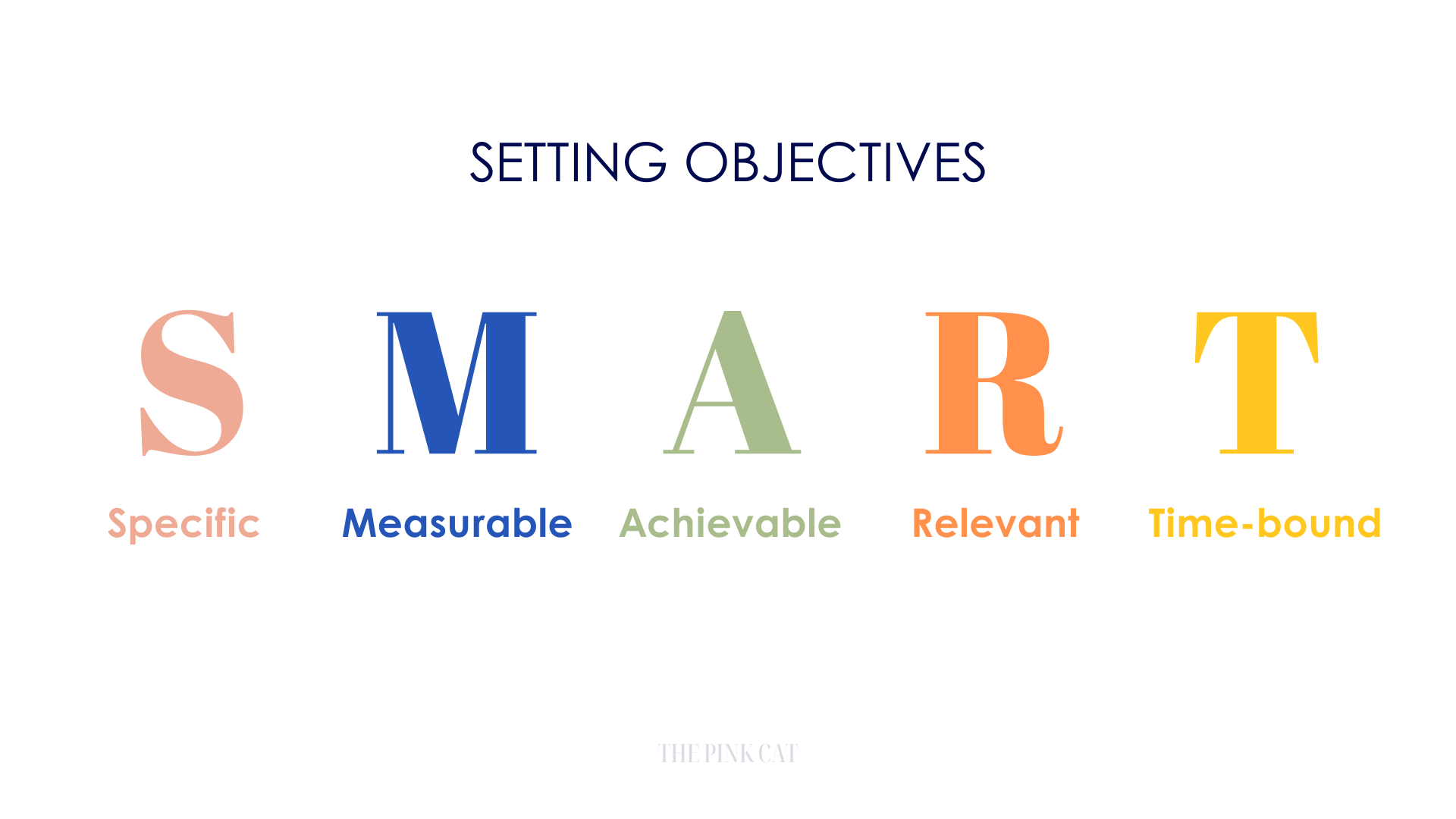
Objectives should also be achievable within the resources and capabilities of your team or organization. Setting unrealistic goals can lead to frustration and demotivation. For example, aiming for a “1000% increase in sales within a month” may not be feasible, whereas aiming for a “15% increase in sales over the next quarter” is more realistic.
Relevant objectives align with your overall business goals and contribute meaningfully to your digital marketing strategy. They should support broader organizational objectives such as market expansion, customer acquisition, or brand positioning.
Finally, time-bound objectives have a clear timeframe for achievement, which helps create urgency and focus. For instance, setting a goal to “launch a new social media campaign by the end of the month to increase engagement by 25% within three months” provides a clear deadline and measurable outcome.
By applying the SMART approach to setting objectives, you ensure that your digital marketing strategy is grounded in clear, achievable goals that drive meaningful results and contribute to overall business success.
2. Know your target audience
Understanding your target audience is fundamental to a successful digital marketing strategy. Develop detailed buyer personas that include demographics, interests, pain points, and online behaviors. Additionally, creating empathy maps can provide deeper insights into your audience’s feelings, thoughts, and motivations. This knowledge helps tailor your content and messaging to resonate with your ideal customers.

For instance, consider a company selling fitness supplements. Their target audience might include health-conscious individuals aged 18-35, with interests in fitness, nutrition, and wellness. Knowing this allows the company to create content and ads that resonate with this specific demographic. They might run social media campaigns showcasing workout tips, nutritional advice, and testimonials from fitness influencers to engage this audience effectively. Creating a customer persona for a young athlete and an empathy map for understanding their challenges and goals can refine these marketing efforts even further.
3. Investigate your competitors
Analyzing your competitors is a crucial step in developing a successful digital marketing strategy. By examining what your competitors are doing well and where they fall short, you can identify opportunities and threats in the market. Start by researching their online presence, including their websites, social media profiles, content strategies, and SEO practices. Pay attention to their audience engagement, types of content they produce, and the channels they use most effectively.
For instance, if a competitor excels in social media engagement, analyze their posts, frequency, and the type of content that resonates with their audience. Tools like SEMrush or Ahrefs can help you uncover their top-performing keywords and backlink strategies. Additionally, review customer reviews and feedback to understand their strengths and weaknesses from the consumer’s perspective.
By gaining insights into your competitors’ strategies, you can refine your own approach, capitalize on their weaknesses, and differentiate your brand in a crowded marketplace. This proactive analysis helps you stay ahead and continually improve your digital marketing efforts.
4. Choose the right platforms
Not all digital marketing channels are created equal, and choosing the right platforms is crucial. Consider where your target audience spends their time online. Social media, search engines, email marketing, and content marketing are common channels to explore. Your platform choice should align with your goals and audience.
For example, if your target audience is primarily on Instagram and Pinterest, focus on creating visually appealing content like high-quality images, infographics, and short videos that showcase your products or services creatively. This approach works well for brands in fashion, lifestyle, and home decor. For a B2B company, platforms like LinkedIn and professional networking events might be more suitable. Here, you can share industry insights, case studies, whitepapers, and participate in professional discussions that appeal to business professionals.
Additionally, consider using search engine optimization (SEO) to improve your website’s visibility on search engines, and email marketing to nurture leads and maintain customer relationships. This strategic alignment ensures your efforts effectively reach and engage the right people, maximizing your marketing ROI.
5. Create high-quality content
Content is king in the digital marketing realm. Develop a content strategy that includes blog posts, videos, infographics, and more. Content should be informative, engaging, and relevant to your audience’s needs and interests. High-quality content not only attracts and retains audience attention but also establishes your brand as an authority in your industry.
Planning and creating a content calendar for social media is essential for maintaining consistency and maximizing engagement. By scheduling posts in advance, you can ensure a steady flow of content that aligns with your overall marketing strategy. This approach allows you to strategically integrate different content types across various platforms, ensuring each piece contributes to your brand’s narrative and goals.
For example, imagine a company in the tech industry creating informative blog posts about the latest trends, such as advancements in artificial intelligence or cybersecurity. They could plan these posts in advance and schedule them to coincide with industry events or product launches. Additionally, video tutorials showcasing product functionalities and engaging infographics can be strategically scheduled to complement and amplify the reach of these blog posts.
6. Keep consistent visual identity
Maintaining a consistent visual identity is crucial for building brand recognition and fostering trust with your audience. It encompasses elements such as logos, color schemes, typography, and overall design style across all digital and offline platforms. Consistency ensures that your brand is easily recognizable and memorable, reinforcing its identity in the minds of consumers.
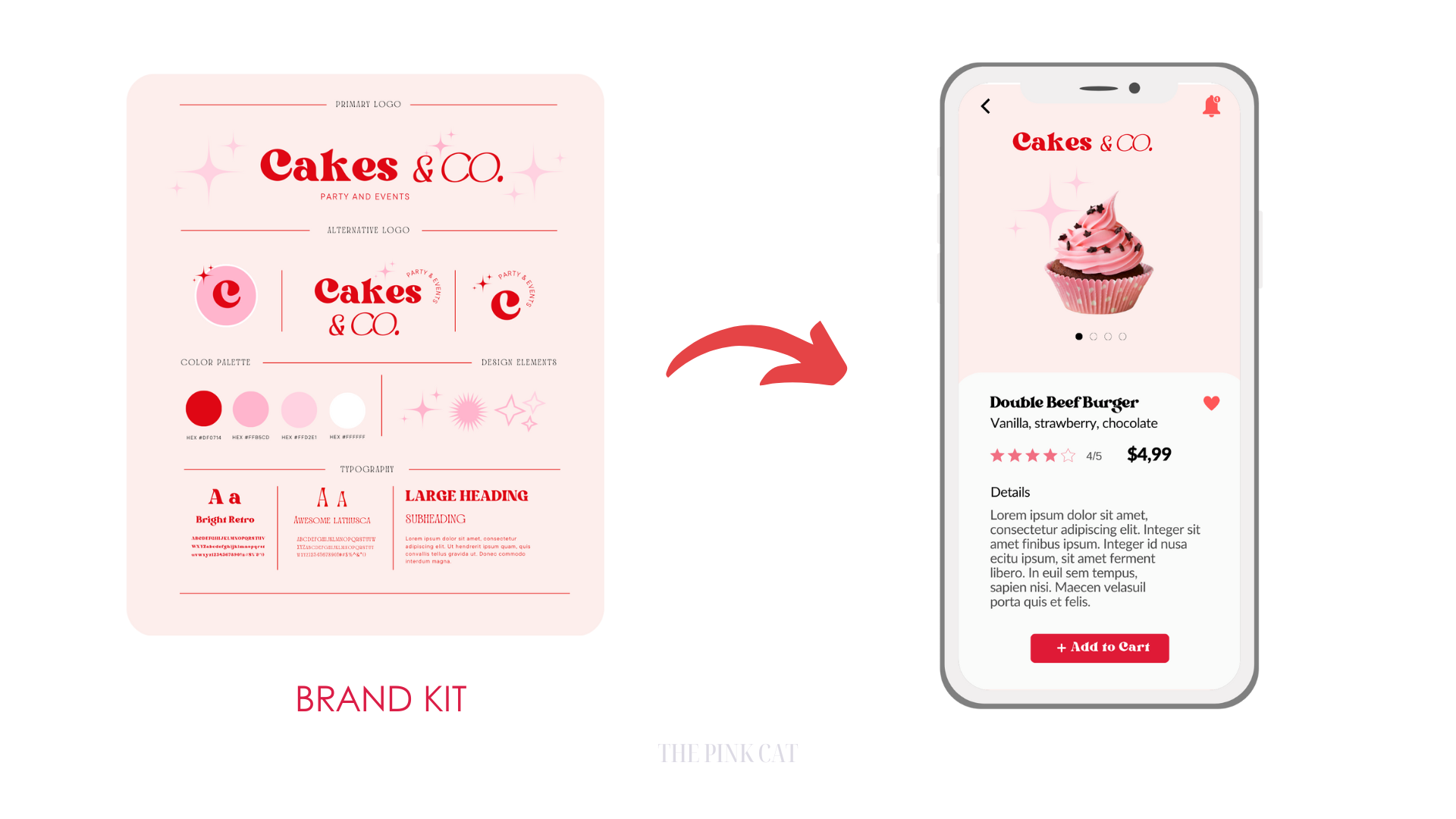
For example, a tech startup uses a distinct color palette and modern typography in all its marketing materials, website design, and social media posts. This unified visual identity not only strengthens brand recall but also conveys professionalism and reliability to potential customers.
Consistency in visual identity extends beyond aesthetics—it reflects your brand’s values and personality, influencing how customers perceive and interact with your business. By adhering to a cohesive visual strategy, businesses can enhance brand loyalty, differentiate themselves in competitive markets, and create a unified brand experience that resonates with their target audience across various touchpoints.
7. Optimize for SEO
Search engine optimization (SEO) is vital for online visibility. Optimize your website and content for relevant keywords to improve search engine rankings. A strong SEO strategy helps attract organic traffic and increase your online authority. This involves using targeted keywords, creating high-quality content, and ensuring your website is user-friendly and fast.
For instance, a local bakery can optimize for keywords like “fresh artisanal bread” or “custom cakes [city name]” to improve their visibility among local customers searching for these specific products. They could also create blog posts on topics like “How to Choose the Perfect Wedding Cake” or “The Health Benefits of Sourdough Bread,” incorporating relevant keywords naturally.
Additionally, the bakery can optimize their Google My Business profile with updated information, photos, and customer reviews, helping them rank higher in local searches. By focusing on SEO, businesses can attract more organic traffic, ultimately driving more customers to their physical or online stores.
8. Leverage paid advertising
Paid advertising, such as pay-per-click (PPC) campaigns, is crucial due to the limitations of organic reach on many digital platforms. Allocate a portion of your budget to targeted advertising on platforms like Google Ads and social media networks to overcome these limitations and reach a broader audience. This approach allows for precise targeting and quick results, driving traffic and conversions efficiently.
For example, a retail fashion brand could run a PPC campaign showcasing new arrivals on Instagram and Facebook. By targeting users based on demographics, interests, and online behaviors, the brand ensures its ads are seen by potential customers likely to engage and purchase. Additionally, with platforms like Google Ads, the brand can target search queries such as “latest fashion trends” or “summer dresses,” directing users to specific product pages.
Paid advertising is recommended because it guarantees visibility amidst the reduced organic reach on platforms like Facebook and Instagram. By strategically investing in paid campaigns, businesses can maintain a competitive edge, expand their reach, and achieve measurable results in a shorter timeframe compared to relying solely on organic methods.
9. Leverage email marketing
Email marketing remains a powerful tool for nurturing leads and retaining customers in a winning digital marketing strategy. Craft personalized, value-driven email campaigns to keep your audience engaged and informed about your products or services.
For instance, imagine an e-commerce business that sends personalized emails with exclusive discounts to customers who abandoned their shopping carts. This strategy not only reminds customers of their unfinished purchases but also incentivizes them to complete transactions with added value.
To optimize your email marketing efforts, segment your email list based on demographics, purchase history, or engagement levels. Use enticing subject lines and compelling content that addresses customer pain points or interests. Incorporate clear call-to-actions (CTAs) that prompt recipients to take desired actions, such as making a purchase or downloading a resource.
Moreover, regularly analyze email performance metrics like open rates, click-through rates, and conversion rates to refine your strategy. By continuously optimizing your email campaigns, you can maximize engagement, increase sales, and foster long-term customer loyalty effectively.
10. Monitor and analyze performance
Monitoring and analyzing performance is crucial in a winning digital marketing strategy. Utilize analytics tools such as Google Analytics to track key metrics like website traffic, conversion rates, click-through rates, and return on investment (ROI). These insights provide valuable data to assess the effectiveness of your campaigns and make informed adjustments for better results.
For example, a software company could use Google Analytics to monitor website traffic, analyze which pages lead to the most conversions (such as trial sign-ups or demo requests), and identify potential bottlenecks in the user journey. By understanding these metrics, they can optimize landing pages, refine targeting strategies in PPC campaigns, and improve overall user experience on their site.
Regular performance analysis also helps in allocating budget effectively, identifying high-performing channels, and adjusting marketing tactics to align with business goals. By continuously refining strategies based on data-driven insights, businesses can enhance campaign performance, maximize ROI, and stay ahead of competitors.
11. Embrace social media
Social media is a dynamic platform for engaging with your audience. Create a consistent social media presence and share content that sparks conversations and interactions. Building relationships with your followers can boost brand loyalty and drive conversions.
Planning and creating a content calendar for social media is essential to maintain a consistent and strategic approach. By scheduling posts ahead of time, you can ensure a regular flow of engaging content that aligns with your audience’s interests and behaviors. This approach allows you to stay organized, maintain brand voice consistency, and optimize posting times for maximum reach and engagement.
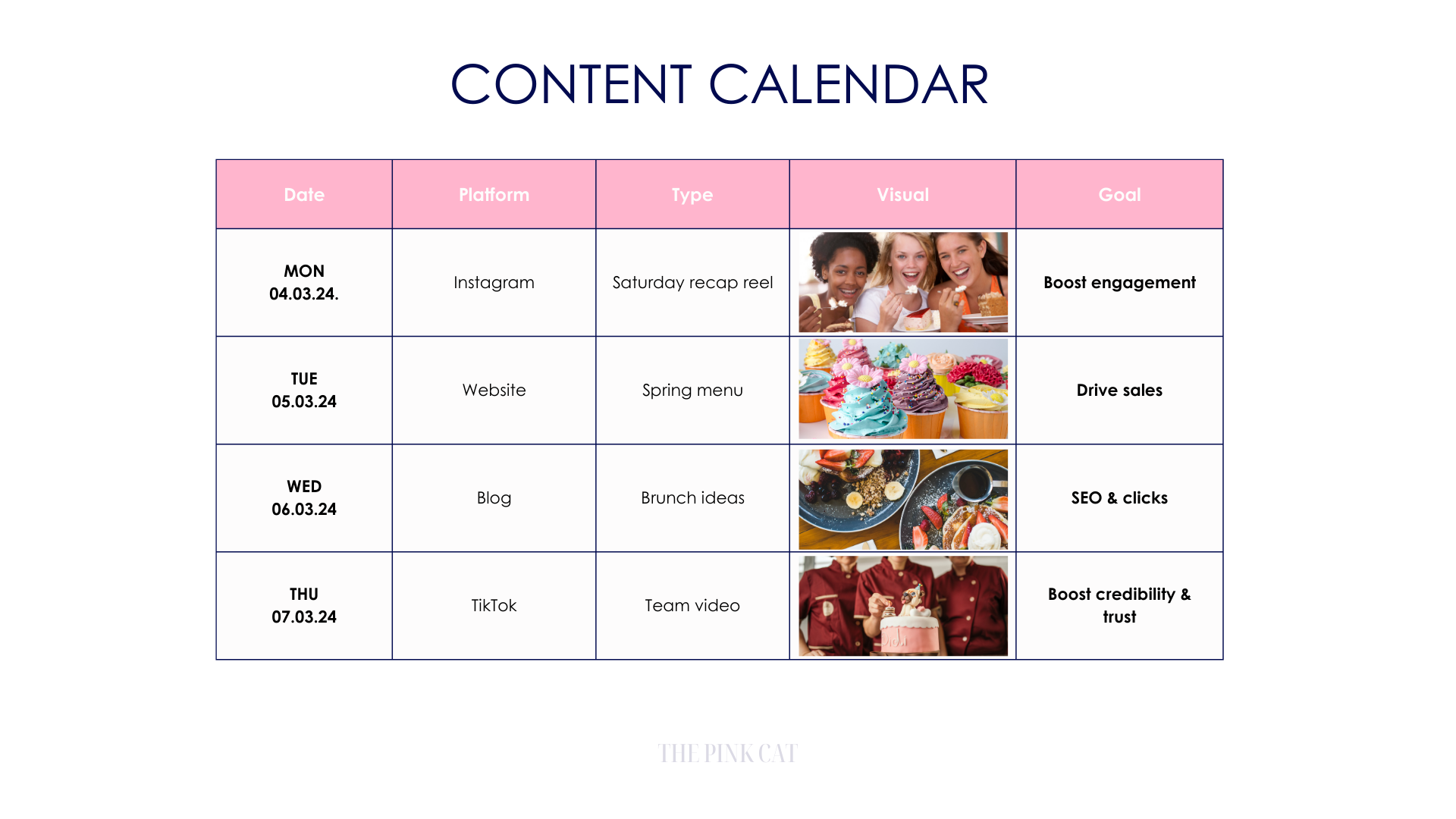
For instance, a travel agency can use social media platforms like Instagram and Facebook to share user-generated content showcasing picturesque travel destinations, travel tips, and insider guides. By planning and scheduling these posts in advance, the agency can ensure a steady stream of content that resonates with their audience’s passion for travel.
Additionally, a content calendar helps in diversifying content types, such as videos, photos, stories, and polls, to keep the audience engaged and encourage interaction. This proactive approach not only enhances brand visibility but also strengthens community engagement, fosters brand loyalty, and ultimately drives conversions by nurturing relationships with followers over time.
12. Stay updated with trends
In the fast-evolving world of digital marketing, staying updated with trends, algorithm updates, and emerging technologies is essential for maintaining a winning strategy. By keeping abreast of industry shifts, you can adapt your approach to leverage new opportunities and stay ahead of competitors.
For example, a tech startup can stay ahead by adopting emerging technologies like augmented reality (AR) in their app development. By integrating AR features, they not only enhance user engagement and experience but also differentiate themselves in a crowded market. This proactive approach not only attracts early adopters but also positions the startup as an innovative leader in their niche.
To stay updated, monitor industry publications, attend webinars, and participate in relevant forums to gather insights and anticipate upcoming trends. Implementing these insights into your digital marketing strategy allows you to capitalize on emerging trends effectively.
13. Test and optimize
A winning digital marketing strategy hinges on continuous testing and optimization. Implement A/B tests to identify effective strategies and areas for improvement. By iterating based on data-driven insights, you can foster ongoing growth and success.
For example, an e-learning platform can conduct A/B tests on various landing page designs to gauge which layout yields higher conversion rates. By analyzing metrics like click-through rates and conversion rates, they can optimize the user experience and increase sign-ups. This iterative approach allows them to refine elements such as call-to-action buttons, headline messaging, or form fields to enhance user engagement and drive more conversions.
By integrating testing and optimization into your strategy, you not only enhance campaign effectiveness but also stay agile in response to market changes, ultimately maximizing ROI and achieving long-term success in digital marketing efforts.
To sum up…
In conclusion, these steps and practical examples demonstrate how implementing a well-defined digital marketing strategy can be tailored to specific businesses, industries, and goals, resulting in measurable and impactful outcomes. By setting clear objectives, understanding your audience, choosing the right platforms, creating compelling content, and leveraging SEO, paid advertising, and email marketing, you can build a robust strategy that delivers measurable results. Remember to monitor performance, stay updated with trends, and continuously test and optimize to ensure your digital marketing efforts remain effective and adaptable to the target market.
Whether you’re building a brand from scratch or seeking a refresh, we’re here to assist you! Our services encompass branding, web development, social media management, content creation, consulting, and educational packages. Explore our services page and reach out today to start the conversation about how we can support your growth.

Author:
Barbara Buljat Raymond, Ph.D.
Digital marketing specialist






 THE PINK CAT